





By TechNews Editor | Published in Innovation & Hardware
For over a decade, cloud computing relied on massive, centralized hyperscale data centers concentrated in specific geographic regions. While this centralized model optimized operational costs, the sudden explosion of latency-sensitive workloads—such as autonomous driving fleet management, remote robotic surgery, and real-time video analytics—has highlighted its key flaw: network distance.
To reduce backhaul latency and bandwidth congestion, enterprise cloud architecture is shifting toward Micro Data Centers (MDCs) deployed at the network edge.
What is a Micro Data Center?
Unlike traditional facilities that span hundreds of thousands of square feet, a micro data center is a self-contained, modular IT infrastructure enclosure designed to process data locally.
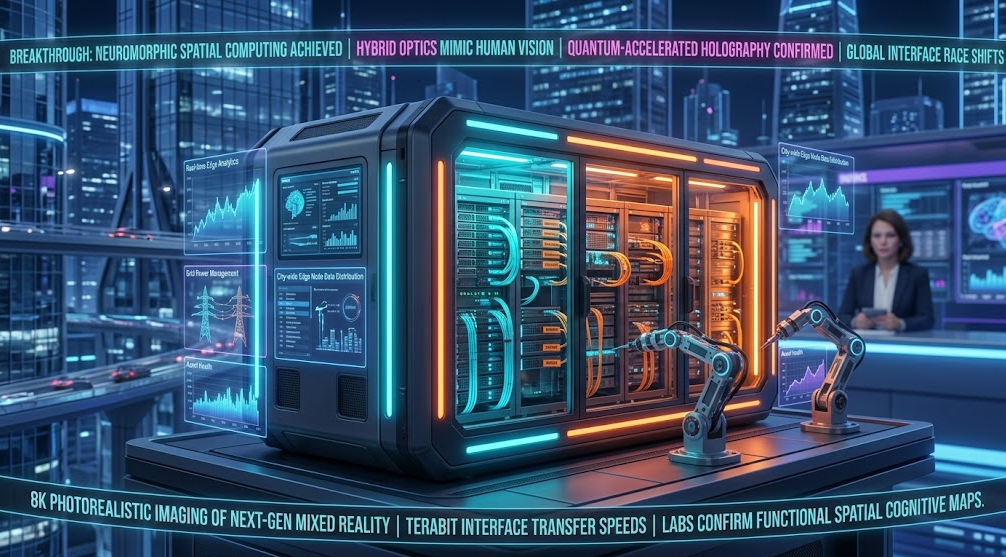
As detailed on Wikipedia’s Micro Data Center overview, these compact units integrate power distribution, liquid or precision air cooling, uninterrupted power supplies (UPS), and high-density compute nodes into a single standardized footprint—often no larger than a standard shipping container or server rack.
Key Drivers Accelerating Edge Deployment
Industry frameworks established by organizations like the Open Compute Project (OCP) and analysis from the Uptime Institute emphasize three primary advantages driving edge data center adoption:
1. Ultra-Low Latency Response
By processing raw data within a few miles of the end user or IoT sensor rather than routing traffic across continental fiber networks, edge micro centers reduce round-trip latency from hundreds of milliseconds down to under 5 milliseconds.
2. Bandwidth Conservation and Cost Reduction
Transmitting terabytes of raw high-definition camera feeds or industrial telemetry to remote cloud servers creates severe network bottlenecks and high bandwidth fees. Micro data centers filter, analyze, and store data locally, transferring only critical summary metadata back to the primary cloud.
3. High Availability and Disaster Resilience
Decentralized networks eliminate single points of failure. If an undersea fiber cable or a major regional cloud region goes offline, local micro data centers continue executing critical operations independently.
Synergy with Next-Generation Hardware
As explored in our ongoing hardware breakdowns in Tech today, micro data centers rely heavily on modern hardware innovations, including High-Bandwidth Memory (HBM3e), liquid-cooled direct-to-chip chassis, and specialized NPU accelerators to maximize compute density within tight physical spaces.
Looking Ahead: The Decentralized Cloud Fabric
The future of enterprise IT will not be a choice between central cloud facilities and edge sites, but rather a seamless hybrid continuum.
As smart cities, 5G/6G cell towers, and autonomous industrial facilities proliferate, micro data centers will serve as the essential connective tissue of global digital infrastructure.